
"Pulido family farm"
60 article(s) found
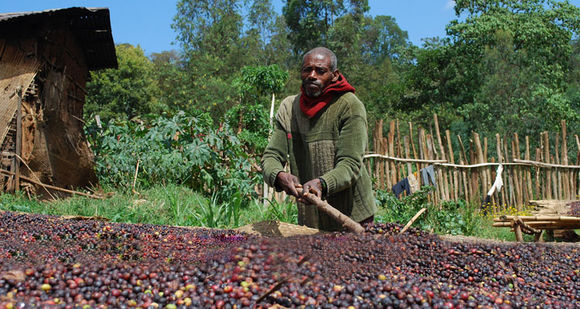
The mixture of the Pablo and Pulido families of Merida Caracas at the foot of the Venezuelan Andes
Venezuela's distinctive manor coffee comes from this oil-rich country. Oil was once considered to be the main export of Venezuela. Although coffee trees were introduced from Martinique in 1730 and Venezuela, coffee production was almost abandoned at the height of the oil industry. Recently, the coffee plantation has begun to recover, and the original Tippica (

A unique coffee farm-San Cristobal, Venezuela
One of the many plantations in Merida at the foot of the Andes belongs to the Pablo and Pulido families, an ancient farm that has been allowed to downsize. Since taking over the farm in the early 1980s, the Pulido family has harvested coffee from existing bourbon coffee trees and planted new tree species.

Introduction to the special taste of Venezuelan coffee with different tastes
One of the many plantations in Merida at the foot of the Andes belongs to the Pablo and Pulido families, an ancient farm that has been allowed to downsize. Since taking over the farm in the early 1980s, the Pulido family has harvested coffee from existing bourbon coffee trees and planted new tree species to expand farming.

The special taste of Venezuelan coffee introduces the producing area of San Cristobal.
One of the many plantations in Merida at the foot of the Andes belongs to the Pablo and Pulido families, an ancient farm that has been allowed to downsize. Since taking over the farm in the early 1980s, the Pulido family has harvested coffee from existing bourbon coffee trees and planted new tree species to expand farming.

Fragrant and delicious fruit-flavored Venezuelan coffee introduces the San Cristobal region.
One of the many plantations in Merida at the foot of the Andes belongs to the Pablo and Pulido families, an ancient farm that has been allowed to downsize. Since taking over the farm in the early 1980s, the Pulido family has harvested coffee from existing bourbon coffee trees and planted new tree species to expand farming.

The state of Tachira, a coffee producing region in southwestern Venezuela
One of the many plantations in Merida at the foot of the Andes belongs to the Pablo and Pulido families, an ancient farm that has been allowed to downsize. Since taking over the farm in the early 1980s, the Pulido family has harvested coffee from existing bourbon coffee trees and planted new tree species.

Venezuelan Coffee Plantation introduces the treatment of boutique coffee
One of the many plantations in Merida at the foot of the Andes belongs to the Pablo and Pulido families, an ancient farm that has been allowed to downsize. Since taking over the farm in the early 1980s, the Pulido family has harvested coffee from existing bourbon coffee trees and planted new tree species.

Venezuelan coffee features San Cristobal producing area
One of the many plantations in Merida at the foot of the Andes belongs to the Pablo and Pulido families, an ancient farm that has been allowed to downsize. Since taking over the farm in the early 1980s, the Pulido family has harvested coffee from existing bourbon coffee trees and planted new tree species to expand farming.

Smooth and sweet Venezuelan coffee introduces boutique coffee beans
One of the many plantations in Merida at the foot of the Andes belongs to the Pablo and Pulido families, an ancient farm that has been allowed to downsize. Since taking over the farm in the early 1980s, the Pulido family has harvested coffee from existing bourbon coffee trees and planted new tree species.

Introduction of Venezuelan coffee beans with smooth taste and sweet taste
One of the many plantations in Merida at the foot of the Andes belongs to the Pablo and Pulido families, an ancient farm that has been allowed to downsize. Since taking over the farm in the early 1980s, the Pulido family has harvested coffee from existing bourbon coffee trees and planted new tree species.

Introduction of the delicious and light Venezuelan coffee producing area of San Cristobal
One of the many plantations in Merida at the foot of the Andes belongs to the Pablo and Pulido families, an ancient farm that has been allowed to downsize. Since taking over the farm in the early 1980s, the Pulido family has harvested coffee from existing bourbon coffee trees and planted new tree species.

The delicious and light Venezuelan coffee producing area introduces San Cristobal
One of the many plantations in Merida at the foot of the Andes belongs to the Pablo and Pulido families, an ancient farm that has been allowed to downsize. Since taking over the farm in the early 1980s, the Pulido family has harvested coffee from existing bourbon coffee trees and planted new tree species.

Introduction of coffee beans in San Cristobal area
One of the many plantations in Merida at the foot of the Andes belongs to the Pablo and Pulido families, an ancient farm that has been allowed to downsize. Since taking over the farm in the early 1980s, the Pulido family has harvested coffee from existing bourbon coffee trees and planted new tree species.

Venezuelan Coffee producing Andes Coffee Plantation
One of the many plantations in Merida at the foot of the Andes belongs to the Pablo and Pulido families, an ancient farm that has been allowed to downsize. Since taking over the farm in the early 1980s, the Pulido family has harvested coffee from existing bourbon coffee trees and planted new tree species to expand farming.

Introduction of multi-purpose Venezuelan coffee roasted to depth
One of the many plantations in Merida at the foot of the Andes belongs to the Pablo and Pulido families, an ancient farm that has been allowed to downsize. Since taking over the farm in the early 1980s, the Pulido family has harvested coffee from existing bourbon coffee trees and planted new tree species to expand farming.

Smooth and sweet Venezuelan coffee beans introduce boutique coffee
One of the many plantations in Merida at the foot of the Andes belongs to the Pablo and Pulido families, an ancient farm that has been allowed to downsize. Since taking over the farm in the early 1980s, the Pulido family has harvested coffee from existing bourbon coffee trees and planted new tree species.
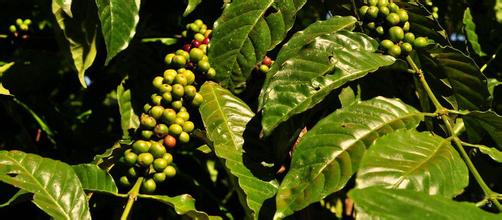
Venezuelan coffee beans from South America have the characteristics of light taste and less sour taste.
Venezuela oil was once considered the main export of Venezuela (Venezuela). Although coffee trees were introduced from Martinique in 1730 and Venezuela, coffee production was almost abandoned at the height of the oil industry. Recently, coffee plantations have begun to recover, with the original Tipica and bourbon coffee trees and new plantations for coffee.

Global coffee producing area-Venezuela
Venezuela introduced coffee trees from Martinique as early as 1730, but coffee production was almost abandoned at the height of the oil industry. Recently coffee plantations have begun to recover, with original Tipica and bourbon coffee trees and new plantations.

Coffee producing country Venezuela
The distinctive manor coffee comes from this oil-rich country.

The best coffee in Venezuela is produced in San Cristobal.
The best coffee names in Venezuela are: Montebello in San Cristobal (San Cristbal de Tachira) in Tazira, Miramar in Rubio (Rubio de Tachira) in Tazira, Granija in Timothe (Timote de Merida) in Merida, and Santa Ana in Tacira (San)